

Unlocking secrets How casinos manipulate odds to keep you playing longer
The Psychology Behind Gambling
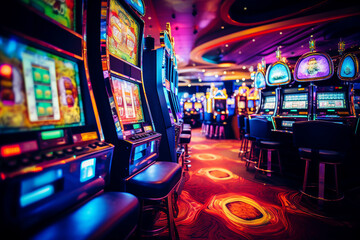
Casinos are designed to exploit human psychology, employing various strategies to keep players engaged for longer periods. One significant tactic involves the ambience of the gaming floor. Bright lights, lively sounds, and the smell of free drinks create a euphoric environment that encourages continued play. This sensory engagement can lead to a sense of urgency and excitement, making it difficult for participants to walk away. Some players find themselves drawn to games that seem straightforward, yet they may unknowingly be participating in a no kyc casino scenario, where the risks are often underestimated.
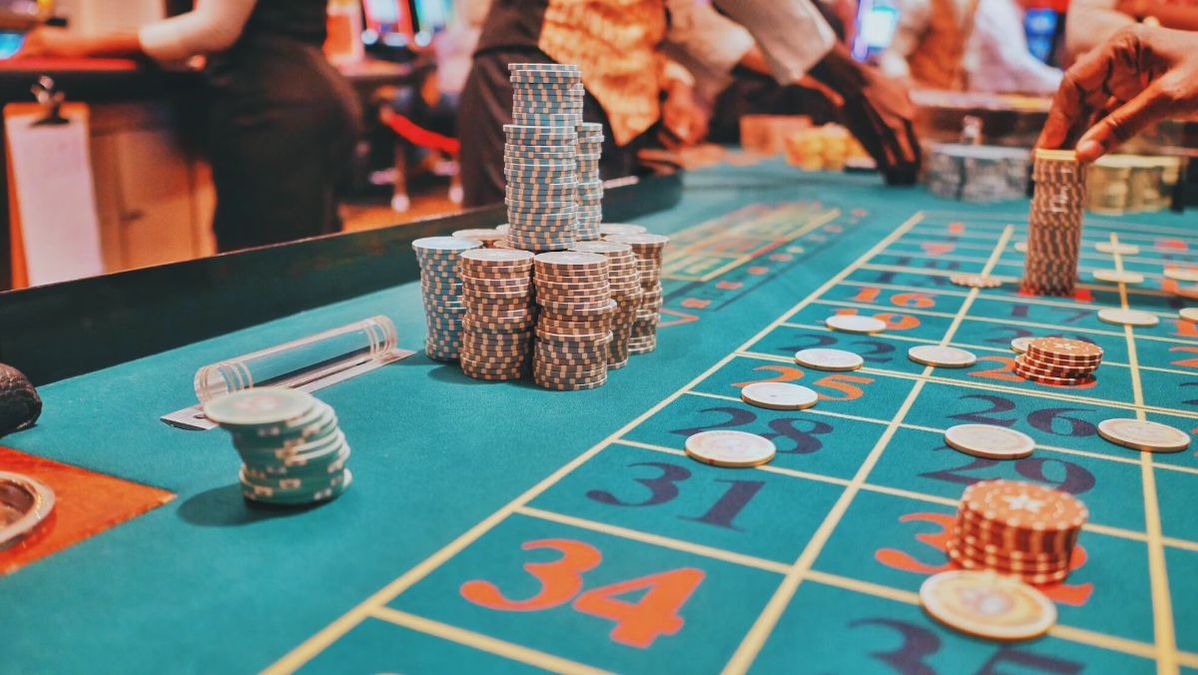
An essential aspect of this psychological manipulation is the concept of variable rewards. Gamblers often experience wins, but these wins are strategically placed to keep them hopeful and wanting more. This intermittent reinforcement leads to a form of addiction, as players find themselves chasing the high of a potential big win, which further entraps them in the casino’s grasp.
The Role of Odds and House Edge
Understanding odds is crucial for any gambler, yet casinos manipulate these odds to ensure that the house always has an edge. The odds presented to players are often skewed in favor of the casino, with games designed to create a disparity between perceived and actual winning chances. For example, slot machines may display a higher chance of winning at intervals, but the overall probability is calculated to benefit the casino.
This manipulation is not limited to slot machines; table games also incorporate odds that may confuse players. The house edge varies significantly between different games, with some offering nearly 1% while others can be as high as 30%. Players often underestimate this factor, leading to prolonged play and increased losses.
Reward Programs and Player Incentives
To further entice players, casinos frequently implement reward programs that offer various incentives, such as free meals or complimentary hotel stays. These perks may seem appealing and lead to more time spent in the casino, as players aim to reach specific thresholds for rewards. This loyalty system cleverly blurs the line between spending and enjoyment, as players feel they are getting something back for their losses.
Moreover, these loyalty programs can manipulate players’ emotions, as they foster a sense of belonging and attachment to the casino. This emotional connection can lead to players spending more time and money, hoping to not only win but also maintain their status within the reward program.
The Influence of Technology on Gambling
Advancements in technology have provided casinos with tools to further manipulate odds and maintain player engagement. Online casinos, for instance, utilize algorithms and data analytics to tailor gaming experiences to individual players. This personalization can make games more appealing and leads to extended gameplay.
Furthermore, the convenience of mobile gaming allows players to gamble from anywhere, increasing the opportunities for the casino to capitalize on players’ impulses. With features such as autoplay and push notifications, it’s easier for players to stay engaged, even when they’re not physically in a casino.
Your Experience with Homewings
As you explore the dynamics of gambling and the tactics employed by casinos, remember that understanding these strategies can empower you. Just as you might seek to enhance your living space with expert insights from Homewings, gaining knowledge about gambling practices can enhance your experience. Making informed decisions will not only improve your enjoyment but also ensure that you remain in control of your gaming activities.
Homewings is committed to providing a seamless online experience for users. By focusing on user engagement and satisfaction, the platform offers personalized design ideas tailored to individual preferences. Understanding the psychological tricks of casinos can empower you in both gaming and in creating your ideal living space.